
Key facts
Planning ranges, not a personal prediction. Your operation and recovery may differ.
- Procedure time
- Often around 3–6 hours for selected combinations; longer plans may be staged.
- Anaesthesia
- Usually general anaesthesia for combined breast and abdominal surgery.
- Hospital stay
- Same-day discharge to 1–3 nights, depending on procedures, health and recovery.
- Return to work
- Approximately 2–6 weeks; abdominal surgery, physical work or complications may require longer.
- Settled result
- Commonly 6–12 months; scars can continue maturing for 12–24 months.
- How long results last
- Often many years with stable weight; ageing, pregnancy and implant-related changes continue.
What is a mommy makeover?
A mommy makeover brings together procedures chosen for specific breast and body changes after pregnancy; it is not one operation that everyone needs. Some women choose only a breast lift or abdominal surgery. Others decide that physiotherapy, supportive clothing or no treatment better suits their priorities.
When is the right time after childbirth or breastfeeding?
Consider surgery only after recovery from childbirth and stabilisation of weight and breast shape. A discussion around 6–12 months after delivery can be reasonable, but the calendar alone does not establish readiness. For breast lifting, Mayo Clinic advises waiting approximately six months to a year after stopping breastfeeding so breast size can settle.
These are separate considerations: being a year postpartum does not mean the breasts are ready if breastfeeding has only recently ended. Do not stop breastfeeding earlier simply to meet a surgical date. Discuss ongoing milk production, breast symptoms, menstrual changes and your nutritional recovery with the appropriate clinicians.
If another pregnancy is planned, postponing surgery usually makes sense because tissues can stretch again. Arrange reliable childcare and time away from work before proceeding.
Sources: [3]
Who is a suitable candidate—and when should surgery wait?
A suitable candidate is medically well, has a stable weight reasonably close to a sustainable target, realistic goals and reliable recovery support. There is no single BMI threshold that makes every combined operation appropriate. Body mass index, fat distribution, diabetes, sleep apnoea, previous scars and clotting history must be considered together.
Surgery should wait during pregnancy or breastfeeding, active infection, untreated anaemia, poor nutrition or poorly controlled illness. Smoking and nicotine exposure affect blood supply and wound healing. Tell the team about cigarettes, shisha, vaping and nicotine products; agree a cessation plan rather than concealing occasional use.
Bring a complete medicines and supplements list, including weight-management injections, hormones and contraception. Changes require instructions from your prescribing and anaesthetic teams, not self-directed stopping. If weight is still changing substantially or surgery feels necessary to satisfy someone else, pause. Choosing not to proceed remains a valid outcome of assessment.
Tummy tuck and abdominal-wall repair
A tummy tuck removes loose abdominal skin and may tighten stretched supporting tissue; liposuction alone cannot do this. Diastasis recti is widening between the two rectus muscles as the midline connective tissue stretches. It is not necessarily a hernia, although both can occur together.
What is often called “muscle repair” usually involves suturing the supporting layer over the muscles, not cutting out muscle. Examination determines whether this is indicated and whether a hernia needs separate assessment. Postnatal physiotherapy can improve strength and movement control; persistent symptoms deserve assessment before assuming surgery is the answer.
A full tummy tuck commonly addresses skin above and below the navel, leaving a low abdominal scar and usually a scar around the navel. A mini tummy tuck has more limited reach and does not suit widespread laxity. Neither treats internal abdominal fat, every stretch mark, pelvic-floor problems or every cause of back pain.
Breast lift, augmentation or both?
A breast lift changes position and shape; augmentation adds volume. These are different goals. If existing breast volume feels right but tissue has descended, lifting without implants may be sufficient. Loss of fullness without substantial drooping may lead to a different discussion.
A lift repositions and reshapes tissue, with scars around the areola and sometimes vertically downwards and along the breast crease. The pattern depends on how much reshaping is needed. Combining a lift with an implant may be appropriate, but a larger implant is not a substitute for addressing excess skin.
Implants introduce longer-term responsibilities: monitoring, possible rupture or capsular contracture, and potential future operations. They are not lifetime devices. Discuss implant-associated cancers, particularly BIA-ALCL with textured implants, and symptoms requiring assessment. Breast surgery may alter sensation and affect future breastfeeding. Choosing no implant avoids implant-specific risks, but does not remove the risks of lifting.
Where liposuction fits—and how to compare options
Liposuction treats selected fat deposits beneath the skin, rather than loose skin or abdominal muscle separation. It may complement a tummy tuck at the waist or flanks when the examination and safety assessment support this. The amount treated must fit the overall operation, not a target clothing size.
Skin elasticity influences how the area settles. Removing fat where skin is already loose can leave the looseness more noticeable. Non-surgical treatments do not produce an equivalent result to removing a substantial skin excess. Ask what each proposed procedure contributes and what concern would remain if you chose it alone.
| Procedure | Main purpose | Important limitation |
|---|---|---|
| Tummy tuck | Remove excess skin; repair selected abdominal-wall laxity | Longer scars; not weight-loss surgery |
| Liposuction | Reduce localised subcutaneous fat | Does not repair diastasis or reliably tighten loose skin |
| Breast lift | Reposition and reshape existing tissue | Permanent scars; limited added fullness |
| Breast augmentation | Add breast volume | Implant follow-up; may not correct drooping alone |
One operation or a staged plan?
Combining procedures can share one recovery period, but staging may be the safer and more manageable choice. Operating time, blood loss, clotting risk, the extent of liposuction and the demands of several healing areas all matter. There is no universally safe maximum number of procedures.
A staged plan might address the abdomen first, then reassess the breasts once recovery is established. Alternatively, breast surgery may be the priority. The sequence and interval should be decided clinically, not promised as a fixed package. Additional anaesthetics and separate time away from work are trade-offs to discuss.
Your consultation and individual plan with Dr. Anas
The consultation identifies the cause of your concerns before choosing surgery. Dr. Anas Abdullah’s published patient pathway starts with your goals, medical history and examination, followed by discussion of options, limitations, risks and costs. Bring previous operation details, breast investigations and questions about future pregnancy.
Discuss examination privacy, a chaperone if desired, and clinical photography. Consent to photographs for your medical record is separate from permission for marketing. You can ask how images are stored and decline promotional use without that becoming a condition of care.
The individual plan should specify each procedure, expected scars, any implant details, anaesthesia, hospital arrangements and aftercare. Ask what is included in the written estimate and how unexpected treatment or revision would be handled. Take time to reflect. A remote conversation can begin the process, but an in-person examination is needed to confirm surgical suitability.

Hospital surgery, recovery and personal follow-up
Hospital surgery is arranged according to your agreed individual plan. Confirm the operating venue, anaesthetic team, admission arrangements and access to urgent care before booking your procedure.
Before surgery, the team reviews consent, the agreed procedures and relevant tests. Medication instructions, fasting and clot prevention are tailored to you. Afterwards, monitoring focuses on comfort, circulation, wounds and safe mobilisation. Discharge depends on clinical readiness, not simply the time on the booking schedule.
You should leave with written wound and medication instructions, details of any drains or garments, appointments and a named contact for concerns. Planned follow-up assesses healing and guides activity. Ask which visits will be with Dr. Anas, how to reach the team outside routine hours and what happens if an extra examination is needed.
Travelling to Amman for treatment
International patients can start with a remote consultation and coordinate appointments before travelling. The website’s international pathway includes pre-arrival assessment, travel coordination, accommodation guidance and postoperative planning. This does not mean flights, accommodation or a companion are automatically included in treatment fees.
Share relevant records privately and allow time for examination before the final decision. Choose accommodation near follow-up care and arrange an adult who can help. Confirm how long you should remain in Jordan, the review schedule and who will assess problems after returning home.
Flying or a long car journey soon after surgery can add to clotting concerns. Fitness to travel must be decided individually; do not treat a prebooked return ticket as medical clearance. Keep your discharge summary and implant records, if applicable. Remote follow-up can support continuity, but cannot replace local assessment for urgent symptoms.
Sources: [8]
Recovery: the first week
The first week is usually for rest, short assisted walks and help with daily tasks, not bed rest throughout the day. Soreness, swelling, bruising and fatigue are expected. Pain should be managed with the prescribed plan; a marked change or worsening symptoms deserves assessment.
You may have dressings, a support bra, an abdominal garment or drains. Their use and removal depend on the procedures and findings. Learn the instructions before discharge rather than copying another patient’s routine. Eat regularly, include protein-containing foods and stay hydrated as advised.
Arrange help with children, shopping, meals and getting in and out of bed. Do not lift a baby simply because the child weighs less than an online limit. Your surgeon’s restrictions take priority. Confirm how to sleep, shower and move safely, and keep your first review appointment.

Recovery: weeks 2–4, months 1–3 and months 6–12
Recovery progresses at different speeds, and returning to work does not mean the deeper tissues have healed completely. During weeks 2–4, mobility often improves, but swelling and fatigue can remain. Some people resume desk work; abdominal surgery or a demanding job may require four to six weeks or longer away.
During months 1–3, activity is usually increased gradually after review. Heavy lifting and strenuous exercise are commonly restricted for at least six weeks and sometimes longer, especially after abdominal-wall repair. Driving requires being off sedating medicines and able to move and brake safely, with medical and insurance advice considered.
By months 6–12, shape is generally easier to assess as swelling settles. Scars may remain pink, darker, firm or uneven and can mature beyond a year. Discuss scar care once wounds have closed, including appropriate sun protection and silicone if advised. Persistent asymmetry or discomfort should be reviewed before deciding whether further treatment is needed.

Risks, prevention and warning signs
Every component carries risks, and combining procedures does not remove them. Risk reduction starts with appropriate selection, preparation, anaesthetic assessment and a plan that limits surgical extent. It cannot make surgery risk-free.
Scars and wound problems: incisions can widen, thicken, separate or heal slowly; skin or fat may lose its blood supply. Stopping smoking as directed, addressing nutrition and diabetes, protecting wounds and avoiding excessive tension help reduce risk. Some problems need dressings, medication or further surgery.
Bleeding, infection and seroma: blood or fluid may collect beneath the skin. Surgical technique, appropriate infection prevention, drains when indicated and follow-up help manage these risks, but collections can still require drainage or an operation. Increasing redness, fever, discharge or sudden swelling warrants prompt contact.
Clots and anaesthesia: deep-vein thrombosis can lead to pulmonary embolism. Personal risk assessment, early mobilisation, compression and anticoagulation when indicated reduce risk. Blood-thinning treatment also has bleeding risks and must be prescribed individually. Sudden breathlessness, chest pain, collapse or a painful swollen leg requires urgent medical assessment; do not wait for a message reply.
Breast and contour changes: altered sensation, asymmetry, persistent pain, nipple blood-supply problems and implant complications are possible. Careful planning and monitoring reduce some risks, but cannot guarantee symmetry or preserved sensation. Ask how complications would be treated and who covers additional care.
Realistic results, scars and long-term care
Surgery can change excess skin, selected fat deposits and breast position or volume; it cannot promise a particular body size or an unchanged result for life. Some stretch marks may be removed with excised skin, while others remain. Normal asymmetry, skin texture and ageing continue.
A lower abdominal scar is often positioned to sit beneath underwear, but its length and visibility depend on anatomy and healing. Breast scars follow the necessary lifting pattern. No responsible plan promises invisible scars. Compare the likely scar with the concern being treated before deciding.
A considered consultation with Dr. Anas Abdullah
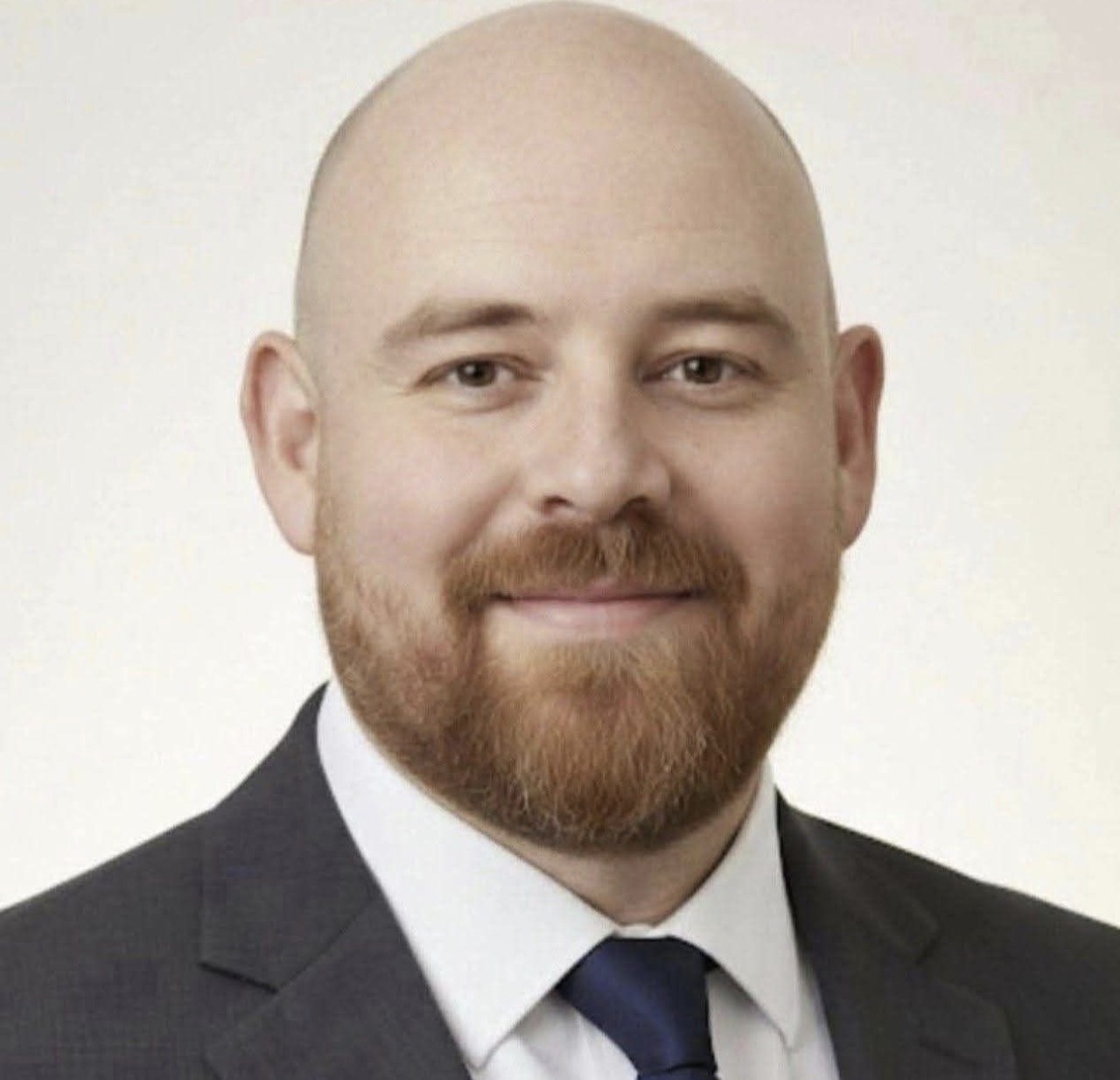
Dr. Anas Abdullah is a consultant plastic, reconstructive and burn surgeon practising in Amman, Jordan. His published biography describes surgical training in the United Kingdom and the United States, including Johns Hopkins and the New York Eye and Ear Infirmary of Mount Sinai. These are background facts, not a promise of a particular outcome.
The relevant question is how your individual plan, privacy, hospital care and personal follow-up will work. Use the consultation to establish those details and the limits of treatment. Results vary; an examination is needed to determine suitability. You are welcome to arrange an in-person or initial remote consultation, with no obligation to proceed with surgery.
Common questions
How much does a mommy makeover cost in Jordan?
Cost depends on the procedures, their complexity, implants if used, anaesthesia, hospital stay and follow-up. Ask for an individual written estimate, including what happens if additional treatment is needed. Travel, accommodation and time away from work should be budgeted separately.
How long after having a baby can I have surgery?
Often the discussion begins around 6–12 months after birth, once recovery and weight are stable. Breast surgery also requires settled breasts after breastfeeding; approximately 6–12 months after stopping is commonly advised for a lift. Personal assessment matters more than a calendar deadline.
Can I have a mommy makeover without breast implants?
Yes. A breast lift can reshape existing tissue without implants when there is enough volume for your goals. You may also choose abdominal surgery alone. The plan should follow your concerns, not a compulsory combination of procedures.
Will a tummy tuck fix diastasis recti?
It may include repair of stretched abdominal support tissue when indicated. Examination is needed to distinguish diastasis, fat, skin excess and a possible hernia. Physiotherapy may help function, and surgery cannot promise to resolve every back or pelvic-floor symptom.
When can I lift my child and return to exercise?
Heavy lifting and strenuous exercise are commonly restricted for at least six weeks, sometimes longer. Childcare often involves lifting, twisting and sudden movements, so arrange help. Your own surgeon must clear these activities after examining your recovery.
Can I get pregnant or breastfeed after a mommy makeover?
A later pregnancy is possible, but may stretch repaired tissues and alter results, so completing your family first is usually preferable. Breast surgery can affect milk production or sensation; breastfeeding cannot be guaranteed. Discuss your future plans before choosing a procedure.
Is it safer to have all the procedures together?
Not necessarily. One anaesthetic and recovery period can be convenient, but a longer, more extensive operation may carry greater demands and risks. Your health and treatment extent determine whether combining or staging is appropriate. Convenience alone should not decide.
Will my scars disappear and will the result last forever?
Scars are permanent, although they often soften and fade over many months. Results can be long-lasting but change with ageing, weight and pregnancy. Implants may require future treatment. No surgeon can guarantee invisible scars or a lifelong unchanged shape.
Why have mommy makeover surgery in Jordan?
For someone with family support or practical access to Amman, Jordan may be a convenient place for assessment and recovery. The decision should depend on the individual surgeon, hospital arrangements and aftercare—not the country alone or a price comparison. Check credentials and follow-up access wherever you choose.
Can I start with a remote consultation and travel later?
Yes, an initial remote discussion can help plan a visit to Dr. Anas Abdullah in Amman. Final suitability requires examination. Confirm arrival, hospital and recovery arrangements before booking, and leave return travel flexible until the treating team confirms you are fit to travel.
Continue reading
Liposuction or tummy tuck: understand the differenceBreast augmentation or lift: volume and positionBody contouring after weight lossFacelift planning and realistic expectationsPlanning care from outside JordanBody contouring after major weight lossUnderstanding facelift and neck liftA conversation is a useful first step
Arrange an in-person or initial remote consultation to discuss your priorities and suitability.
References & further reading
[1]NHS — Tummy tuck (abdominoplasty)[2]BAPRAS — Abdominoplasty patient information[3]Mayo Clinic — Breast lift[4]Mayo Clinic — Breast augmentation[5]ASPS — Mommy makeover risks and safety[6]Cleveland Clinic — Mommy makeovers: how they work and what to expect[7]NHS — Your post-pregnancy body[8]Royal College of Surgeons — Having cosmetic surgery abroadGeneral educational content based on the references above. It does not replace examination or the treating surgeon’s instructions. Individual benefits, risks and recovery vary.